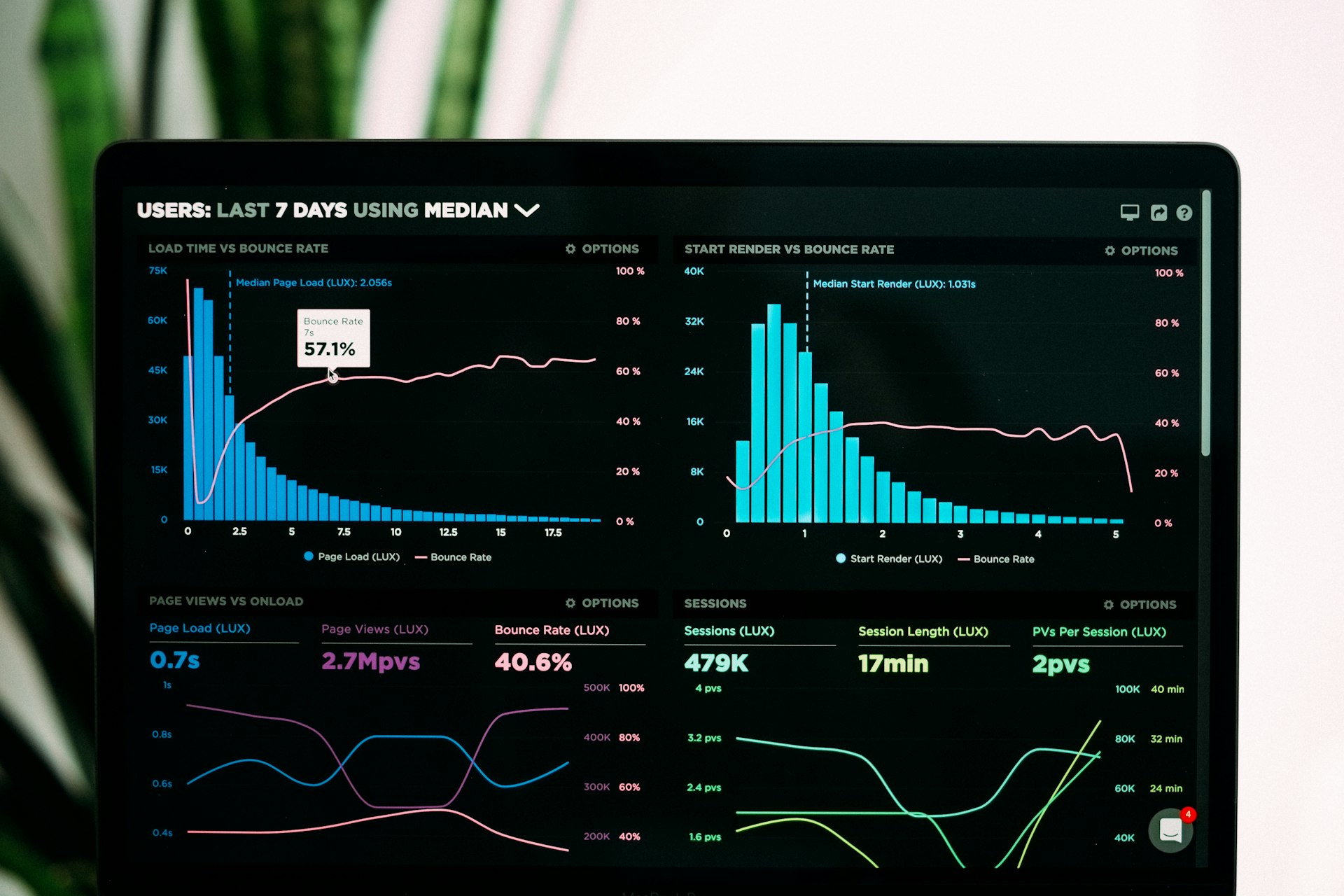
Spreadsheet backtests look great until you ask how orders get to the exchange and where the API keys sleep at night. Half the quant shops end up with research in one cloud, execution in another, and a git repo nobody can deploy twice the same way.
QuantDinger (~14k GitHub stars, Apache 2.0) is Open Byte Inc.'s bid to pull that into one self-hosted stack: AI-assisted market research, Python strategies, factor experiments, backtests, then paper or live execution across crypto and traditional brokers, with monitoring and an optional agent/MCP path. The README is explicit: it is open source and auditable, not a subscription signal feed where strategy logic lives in someone else's vault.
What you are actually running
v5 splits the backend into separate processes so the HTTP API is not also the trading loop. At a high level: Flask + Gunicorn for the API, PostgreSQL for durable state, two Redis roles (cache vs job queue), Kafka for runtime events, dedicated trading and strategy evaluation workers, Celery for finite jobs (backtests, reports), plus optional Prometheus, Grafana, and Alertmanager. One container image, different commands per role—their Mermaid diagram in the repo is the source of truth.
Feature surface (from upstream docs):
- Research and agents — multi-provider AI analysis; Human API, Agent Gateway, and MCP endpoints for tooling around the same data the UI sees.
- Strategies — Python Strategy API v2, indicators, server-side backtests and parameter sweeps with walk-forward validation and statistical guards (they name things like PBO, deflated Sharpe, block bootstrap—treat outputs as diagnostics, not prophecies).
- Factor Lab — universe panels, factor screening with false-discovery control and cost-aware scoring; same flows exposed via UI, API, and MCP.
- Paper vs live — paper and restricted test paths; signal-only virtual accounts that never touch a broker but still simulate fills, fees, and slippage assumptions.
- Ops — audit logging, JSON structured logs, hardened production compose options (non-root, read-only root where applicable).
- SaaS-shaped multi-tenant — the project markets a path for teams reselling hosted quant infrastructure; self-hosting is still the story for shops that want keys on their own metal.
Why self-host?
Keys and code stay yours. Broker API credentials and strategy source live under your deployment and encryption story, not a shared SaaS database row.
Audit trail. Event-sourced style flows with Kafka-backed audit workers match teams that need to answer what ran when, not just "the bot did something."
Data residency. For Canadian shops documenting where market data, logs, and execution requests exit the network, a VPS in Beauharnois or Toronto is an easier paragraph in a compliance memo than 14 microservices in a US region you did not pick.
Apache 2.0. Friendlier for many internal deployments than copyleft trading tools; still read upstream and your lawyers if you fork and offer multi-tenant hosting.
Risk and responsibility
The README warns in plain English: live trading can submit real orders. Start with paper, use least-privilege API keys, and assume you can lose money. Software cannot replace regulatory advice — securities and derivatives rules depend on your jurisdiction and business model. Nothing we write on this blog is investment advice.
Getting started
Fast path: Docker Compose v2 only (no local Python required for the prebuilt image path). Linux/macOS can curl their install.sh from the repo; Windows has PowerShell. That flow generates secrets, pulls GHCR images, and brings the stack up. AWS Marketplace offers a CloudFormation-style single node if you would rather pay AWS for the VM than rack your own.
Source path: clone, run python scripts/bootstrap_env.py, fill unified .env with admin credentials and integrations, then docker compose up. Upgrades require following their bootstrap/env-sync notes so you do not orphan the Postgres volume.
First-login hygiene: legacy defaults like quantdinger / 123456 are compatibility landmines—change before the box touches the public internet. Production overlays mount config read-only; manage secrets on the host.
Who it's for (and who should skip it)
Good fit: independent quants and small desks already writing Python; teams that want research + execution in one repo with real observability; MCP-curious traders wiring agents to the same API the browser uses.
Skip it: if you only need passive charting; if you cannot operate Postgres, Redis, Kafka, and worker fleets; if "one container on a 512 MB VPS" is the whole plan.
Hosting in Canada
QuantDinger is hungry: cores for backtests and factor jobs, RAM for Redis and workers, fast disk for Postgres, stable outbound to markets and data vendors. Budget for backups that include DB volumes and Kafka retention if you care about post-mortems.
Talk with Swift Host if you want a Canadian CloudBox or dedicated box sized for dockerized trading stacks, latency to your venues, and backup scope. We are in St. Albert and actually answer the phone.