Accounting firms run on software that was never meant to live in a browser tab. SAGE, QuickBooks Desktop, CaseWare, tax prep suites, and line-of-business tools expect a Windows session, stable file paths, and everyone pointing at the same company data without Dropbox sync eating the database.
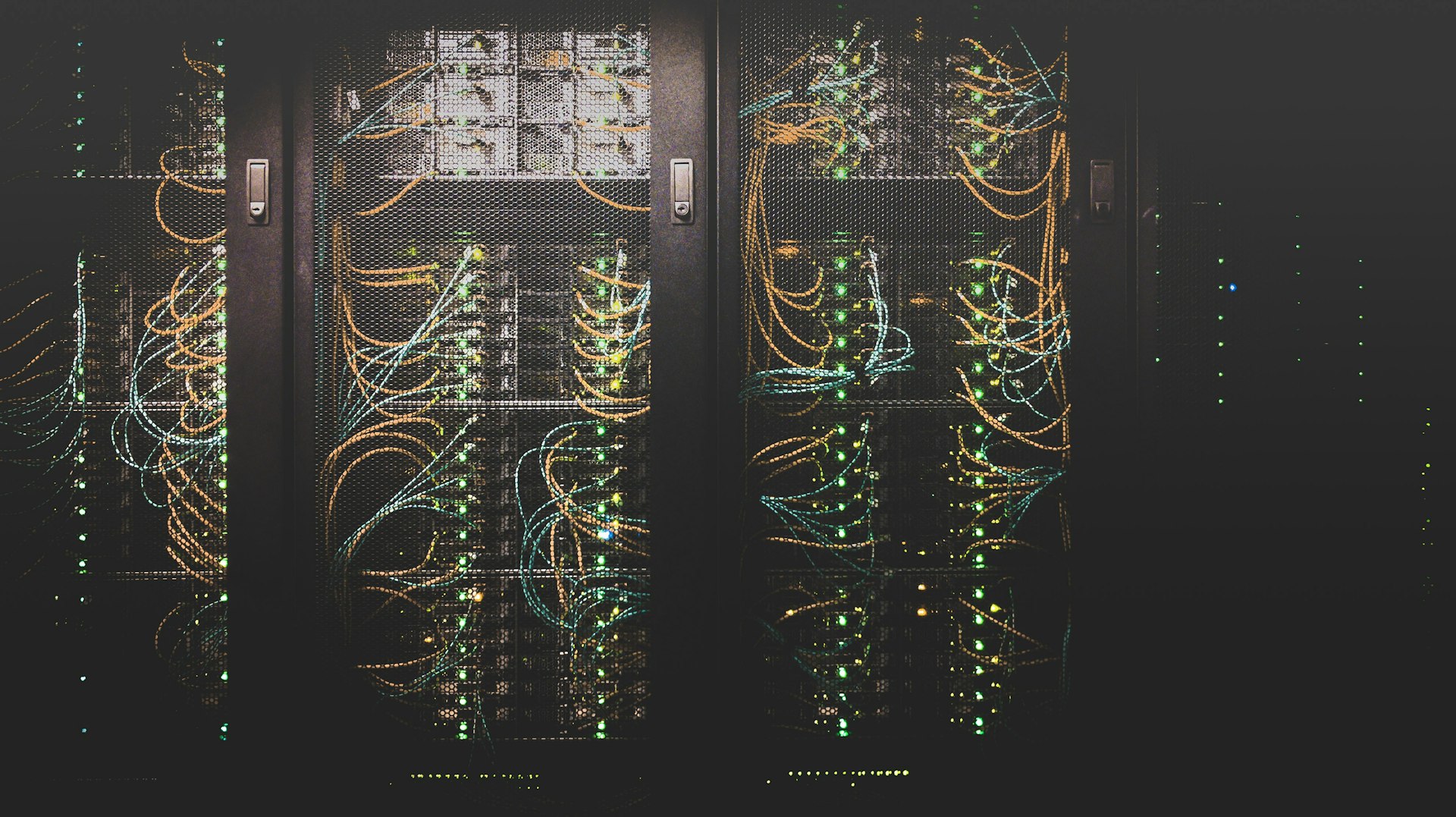
Remote Desktop Services (RDS), sometimes still called terminal server in conversation, is how a lot of Canadian firms give staff and seasonal contractors access without mailing laptops or VPNing into someone's office PC. The apps run on a server in a data centre. Users connect with Remote Desktop and work like they are local.
Why firms move to hosted RDS
- One source of truth for company files and licensed software
- Work from home or multiple offices without copying data to laptops
- Seasonal staff get an account, not a full machine rebuild every January
- Backups and patching centralized instead of ten desktops at different patch levels
- Canadian data residency when clients ask where financial data lives
It is not magic. Someone still has to size the server, license Windows correctly, and answer the phone when tax season load spikes CPU.
What you are actually hosting
A typical accounting RDS environment includes:
- Windows Server (2019 or 2022 are common choices today)
- RDS roles: RD Session Host, licensing, gateway if you publish securely over HTTPS
- SQL Server or PostgreSQL when the app needs it (some SAGE and custom stacks do)
- Shared storage for company files with proper permissions
- Backup, antivirus, and Windows Update policy
- Multi-factor authentication on the gateway or VPN in front of RDS
Printer redirection, scanner workflows, and PDF printers matter to bookkeepers. Test them before you invite the whole firm to log in.
SAGE and desktop accounting apps
SAGE 50 and similar products are a frequent driver for RDS in Canada. Users expect multi-user access to the same company file, integrated payroll, and reports that do not corrupt when two people write from conflicting copies.
Hosting SAGE on RDS is not the same as hosting a website. You need the right Windows build, enough RAM per concurrent user, and licensing that matches how SAGE counts seats. We covered the scoping questions in our SAGE 50 hosting guide. RDS is often the answer when "two users and three terminals" really means several people remote during month-end.
Sizing and seasonality
Accounting load is spiky. February and March can look nothing like August. Right-size for peak concurrent users, not average Tuesday afternoon.
Rough planning questions:
- How many people logged in at the same time at peak?
- Which apps run simultaneously (tax + PDF + Excel + email)?
- Do you need GPU or heavy OCR, or is it classic line-of-business CPU and RAM?
- Will you add e-file integrations that hammer disk I/O?
Under-sized RDS feels like "the server is slow." Over-sized without monitoring is money left on the table. Managed hosting should include alerts before users open tickets.
Security expectations from clients and insurers
Firms handle T4s, corporate financials, and personal tax data. Clients ask about encryption, backups, and who can access the environment. Basic expectations:
- TLS on RD Gateway, no raw RDP exposed to the whole internet without protection
- Strong passwords plus MFA
- Role-based access (staff vs partner vs external preparer)
- Audit logging on who connected when
- Backups with tested restore of both server and company files
- Data stored in Canadian facilities when the engagement letter says so
Cyber insurance questionnaires increasingly ask these explicitly. Documented answers beat improvised ones at renewal time.
RDS vs VPN into an office PC
VPN to a dusty tower under the reception desk is still common. It breaks when power blips, updates reboot the machine, or the office internet goes down while staff are at home.
RDS on hosted infrastructure separates "the office network" from "where the apps live." Uptime, power, and backup become the host's problem within the SLA, not the firm's front desk.
How Swift Host helps accounting firms
We build and manage Windows RDS environments on Canadian infrastructure for firms outgrowing office servers or consolidating after a move to hybrid work. That includes SAGE and mixed desktop stacks, gateway setup, backups, and support during tax season when nobody has patience for vague ticket responses.
See our SAGE hosting and Windows Server hosting pages for starting points. Every firm gets scoped on user count, apps, and compliance needs before we quote hardware.
Bottom line
Remote desktop hosting for accounting is about reliable shared access to desktop software, not generic cloud buzzwords. Size for peak season, secure the front door, keep data in Canada if that is the promise you make clients, and test printers before March.
Exploring RDS for your firm? Talk with Swift Host. Tell us your apps, user count, and peak season. We will outline a sensible server and licensing path without selling you cores you will not use in July.